This is part of a series of blog posts that stemmed from my first experiences with “vibe coding”. For more on what I did and where you can find the rest of the posts, please refer to the first post.
Much has been written about what will happen to software development as a profession over the next few years. I have spoken with parents who are terrified their college children in software development won’t have jobs. Personally, that’s not what I see. At least not for the next decade. Software development may become easier, but that will just mean there will be much more software development.
I’m not alone in this. There’s now a whole camp of people who have been pointing to Jevon’s Paradox to explain why AI won’t cut jobs (especially in software development). In fact, NPR did a Planet Money Newsletter on the topic. If you haven’t already heard it… the term was coined to explain how often when we become more efficient at using something the economy actually needs more of it. Jevon originally made the point about Coal in the 1860’s, arguing that if people built more efficient motors that used less Coal than more motors would be ordered and coal consumption would actually go up.
That’s what I think will happen: The fact that building custom software is easier will lead more enterprises to want to do it. Since we’re not quite in the place where the applications can just build themselves, they will have to hire software engineers to work with the AI. Less software engineers per project, but WAY more projects.
Of course, it’s not as simple as just “more software engineering jobs”. They will not be the same kind of jobs that exist today in the field. I think there will be four fundamental shifts:
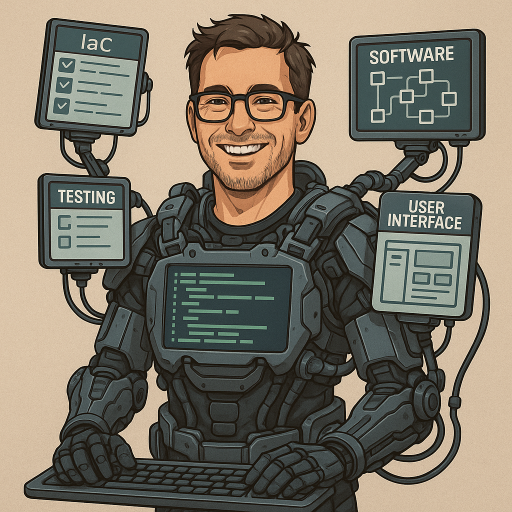
- I have already covered this in its own blog post (read it here), but with the coding itself getting easier, companies will be looking more and more for people who can both code and understand the vision behind the product they are creating. I’m calling this new breed of valuable developers, Full Scope Developers.
- There will also be additional focus on QA professionals and DevOps Engineers. These individuals will focus on articulating requirements, automating tests, and integrating DevOps so that the AI can iterate safely and effectively. Today we are very reliant on the “human in the loop”, these professionals will be in charge of putting what the human looks for into code so that the AI can iterate with itself. This is the human side of my post on Modernizing the Way We Modernize.
- At a high-level, more custom software development within companies (because it is cheaper to do) will also mean less software companies. I am already seeing this from our clients, particularly in places where niche software companies had emerged and cornered the market (but did not produce great software products). For example, we are working with a utilities company that is developing their own safety tracking software instead of leveraging on off the shelf tool so that they can get more of the features they need. This development exercise would have been prohibitively expensive in the past, but now with AI assisted development (and “Low Code” tools) we are able to develop a better product which will take one customer away from the COTS tool.
- I also think that this will effect the custom software refresh cycle. Today, there are a LOT of applications that have been running for decades. Why do you think there is still so much Cobol? As the cost of software development decreases the economics of “Keep” vs “Rebuild” will start to change and the lifespan of custom applications will decrease.
Overall, I am extremely exciting to be leading a software development practice in these crazy times. Kyndryl is already looking for the right talent in the right places to help our clients!